What Makes an Assisted Living Neighborhood Seem Like Home?
Business Name: BeeHive Homes of Clovis
Address: 2305 N Norris St, Clovis, NM 88101
Phone: (505) 591-7025
BeeHive Homes of Clovis
Beehive Homes of Clovis assisted living care is ideal for those who value their independence but require help with some of the activities of daily living. Residents enjoy 24-hour support, private bedrooms with baths, medication monitoring, home-cooked meals, housekeeping and laundry services, social activities and outings, and daily physical and mental exercise opportunities. Beehive Homes memory care services accommodates the growing number of seniors affected by memory loss and dementia. Beehive Homes offers respite (short-term) care for your loved one should the need arise. Whether help is needed after a surgery or illness, for vacation coverage, or just a break from the routine, respite care provides you peace of mind for any length of stay.
2305 N Norris St, Clovis, NM 88101
Business Hours
Home is not just a roof covering, a layout, or a favored chair in the edge. For older grownups taking into consideration assisted living, "home" usually means something far more useful and even more individual. It suggests understanding where the coffee is in the morning, identifying individuals who walk by your door, really feeling secure enough to sleep well, and having sufficient choice left in the day to seem like yourself.
That is why two assisted living areas can use virtually the exact same solutions theoretically and still feel totally different in reality. One may be clean, efficient, and well-run, however really feel impersonal. An additional might have the exact same degree of care, yet in some way feel warmer the minute you walk in. The difference usually boils down to details that are simple to forget if you are only comparing sales brochures, monthly rates, or searching for "assisted living near me" on a phone late at night.
A home-like neighborhood is hardly ever built on one big function. It is normally the outcome of numerous small, steady options made by leadership, personnel, citizens, and family members. The shades on the wall surfaces matter a little. The food matters greater than individuals anticipate. The way personnel greet homeowners matters every day. So does personal privacy, autonomy, and whether a resident can keep their regimens undamaged, even as they get assist with showering, medicine reminders, clothing, or meals.

Familiarity carries even more weight than luxury
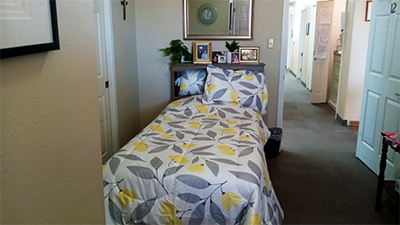
People occasionally think that a home-like setting has to look like a developer model apartment or condo. In method, the reverse is frequently true. A location can be stunning and still feel chilly if it is too brightened to be lived in. What most citizens reply to is familiarity. A favored recliner chair, a family members quilt, mounted photos, a light from home, and a shelf that reflects a life well lived can alter the feeling of a space more than pricey furnishings ever before will.
The best assisted living areas understand this. They do not deal with customization as a small information. They encourage it because it aids locals orient themselves, loosen up, and maintain identification. Relocating from a long time residence to senior living can feel disorienting, particularly for somebody that has invested decades in one location. Recreating a sense of connection helps bridge that gap.
I have actually seen residents resolve in faster when their apartment or condo door has a wreath they selected themselves, or when their shower room rack is set up in the same order they utilized for years. Small connection issues. It is not nostalgic decoration. It is sensible reassurance. It informs the mind, "This is still my life."
The tone of the personnel shapes everything
People typically concentrate initially on the physical setup, yet the actual environment of an area is produced by the staff. Locals observe whether employee speak with them or concerning them, whether they knock prior to going into, whether they keep in mind names, and whether they seem rushed or genuinely present.
The finest personnel in assisted living do greater than total jobs. They build relationships with repetition and consistency. They understand who likes solid coffee, who favors a quieter lunch table, and who ends up being distressed when regular adjustments. Those details may sound small from the outside, yet they are the difference in between sensation managed and sensation cared for.
A neighborhood can have exceptional clinical procedures, but if the tone is rushed or transactional, residents feel it immediately. People of any kind of age can notice when a location is just executing service. Older adults are especially proficient at checking out whether they are absolutely seen. A warm greeting at morning meal, an unhurried discussion in the hallway, or a caregiver who notices that a person is quieter than common can transform the emotional environment of a whole wing.
That is why families looking for senior care near me need to take note not just to credentials, however to the rhythm of day-to-day interactions. Does staff appear to recognize residents by name? Do they make eye get in touch with? Do they seem to enjoy being there? Those observations inform you a great deal.
Control over life preserves dignity
One of the most neglected active ingredients of a home-like assisted living setting is selection. Older adults hardly ever want overall self-reliance in the abstract. They desire adequate control to protect self-respect. They want to make a decision when to wake up when possible, what to wear, where to sit, whether to join an activity, and how much aid they desire with individual care.
This issues greater than individuals understand. When every component of the day is determined by a timetable developed for performance, a resident can start to seem like a traveler in their very own life. On the other hand, also small adaptability can make an area feel respectful and familiar. If morning meal runs up until an affordable hour, if a resident can avoid one activity and go to one more later, if bath times are collaborated around choices instead of convenience alone, the whole experience changes.
Good assisted living does not imply removing all rubbing from the day. It implies making the ideal things less complicated while protecting meaningful option. That equilibrium takes judgment. Way too much framework can feel institutional. Insufficient framework can develop confusion. A home-like setup lands someplace in the center, with sufficient support to minimize stress and enough versatility to honor personality.
Privacy issues more than square footage
An usual error when reviewing senior living is to concentrate only on apartment dimension. Bigger is nice, however privacy is generally more vital. A smaller space can really feel deeply home-like if it supplies a sense of ownership, peaceful, and clear boundaries.
Residents require areas where they can be alone, make a phone call, pray, snooze, read, or merely close the door. Shared rooms are necessary for link, but no one feels comfortable if they are constantly exposed. Assisted living ought to strike an equilibrium between community and retreat.
The ideal neighborhoods are thoughtful about shifts in between public and personal locations. Corridors should not really feel like website traffic lanes. Common locations need to welcome conversation without compeling it. Apartments need to be very easy to customize, and team should recognize that knocking, waiting, and valuing access are not small politeness. They belong to preserving a person's sense of self.
This becomes particularly crucial for locals that are normally exclusive, those readjusting after a medical facility remain, or individuals who are getting respite look after a brief period and do not yet really feel cleared up. When individuals know they can go back and collect yourself in tranquility, they loosen up right into the environment extra quickly.
Meals can make or break the sensation of home
Few things form daily life greater than food. An area may supply excellent care, but if meals are boring, rushed, or served without interest to choice, residents usually feel the loss promptly. Food lugs memory. It notes regular. It can stimulate family, society, periods, and comfort.
Assisted living eating should not feel like a cafeteria line unless that is the only style somebody likes. Even then, service design issues. A warm table setting, identifiable food selection selections, and team that discover whether somebody ate well can make meals really feel individual instead of step-by-step. The odor of fresh bread, soup, or coffee can do even more to resolve a newcomer than a glossy sales brochure ever before could.
Home-like dining additionally respects that appetites alter with age. Some people eat much less at supper and more previously in the day. Others have dental issues, swallowing worries, or medicines that change preference. A thoughtful area changes without making the resident feel challenging. That sensitivity becomes part of the emotional appearance of home.
Families commonly inquire about food selections when they are comparing assisted living options, and rightly so. Ask not only what is served, but just how the dining room really feels. Do residents remain? Exist genuine conversations? Can people request substitutions when required? Does the personnel pay attention to favorites and disapproval? These are the signs that food is being made use of to nurture more than the body.
Small regimens develop belonging
Home is commonly developed from rep. The very same early morning walk. The same crossword at the very same table. The very same team of next-door neighbors who swing every mid-day. Neighborhoods that feel home-like recognize the power of regular and protect it.
This does not indicate each day needs to be identical. Vice versa. Range matters. Yet homeowners typically really feel much more comfy when there is a foreseeable baseline. If they understand when coffee is readily available, when washing obtains returned, and which team member typically leads the workout class, they can resolve in without frequently reorienting themselves.
That sense of rhythm comes to be especially important for locals experiencing amnesia, sensory adjustments, or anxiety. Predictability lowers strain. It aids individuals save energy for the parts of the day they really wish to enjoy.
A good assisted living area typically creates little rituals without trying too hard. A person always plays the piano after lunch. A particular caretaker checks in prior to dinner. One resident waters the yard plants every morning. These practices are not trivial. They produce a lived-in atmosphere that can not be manufactured overnight.
Connection should really feel all-natural, not forced
A home-like area invites link, but it does not press residents to be social every minute of the day. That difference matters. Some older grownups are outbound and will happily sign up with every game, trip, and delighted hour. Others prefer a smaller circle and silent companionship. Excellent senior living values both.
The most inviting areas make it simple to take part without making it uncomfortable to decline. Activities ought to feel like opportunities, not commitments. Residents ought to have the ability to sign up with a group if they want to, or remain in their house with a publication and still feel totally consisted of in community life.
This is where assisted living can really radiate compared to seclusion in the house. The best area offers people access to others without requiring efficiency. A couple of minutes of discussion in the hallway, a shared problem table, or a seated horticulture club can lower loneliness in such a way that really feels natural. Over time, a resident might discover a buddy that rests close by at lunch or joins them for a regular outing. Those relationships typically matter more than any kind of official programming.
A home-like setting additionally identifies that pain, modification, and personality differences are actual. Not everyone gets here all set to make pals. Some individuals are tired from a current loss or surgical procedure. Others need time to observe prior to they get involved. Respecting that rate is essential.
The physical environment should support the senses
A community that seems like home normally obtains the sensory experience right. Lights is softer but adequate. Corridors are very easy to navigate. Noise is controlled without making the location really feel quiet or lifeless. Temperature fits. Smells are taken care of without heavy artificial aromas. These details issue due to the fact that the body registers them long prior to the mind creates an opinion.
Older grownups are typically a lot more conscious glare, resemble, and strong scents. A location that appears fashionable to a more youthful visitor can feel harsh to a resident that spends all the time there. The best communities account for this by choosing calmer products, clear signs, and comfy seating that sustains genuine use, not simply appearance.
Safety features ought to blend into the environment instead of control it. Handrails, walk-in showers, non-slip floors, and well-lit courses should make people really feel protected, not scientific. That belongs to what divides a real home-like environment from a center mindset. Safety ought to exist, but not the only noticeable message.
Outside areas matter also. A courtyard, veranda, or walking path can be transformative. Also a few minutes of fresh air and sunlight can alter the feel of the day. For lots of locals, the capacity to tip outside without headache is not a deluxe. It belongs to staying grounded.
Family involvement needs to really feel welcome, not restricted
Families are typically component of what makes an area feel like home, specifically during the very early shift. The very best assisted living areas make room for that participation. They welcome visits, encourage interaction, and treat loved ones as companions as opposed to interruptions.
That stated, households also require to see whether staff can set healthy and balanced borders. A home-like setup is not one where relatives do everything. It is one where the resident continues to be main, and the care team communicates plainly regarding what is taking place, what is changing, and what support is needed.
When families are maintained informed, they unwind. When they feel listened to, they rely on the setting extra. That count on helps the resident work out in. It also makes difficult minutes easier, whether they involve a medication change, a decrease in mobility, or a assisted living beehivehomes.com short-term need for respite care after a hospitalization or caretaker fatigue at home.
For adult youngsters comparing senior care, the appropriate inquiry is not just whether they are allowed to visit. It is whether they are appreciated as notified participants in the resident's life, while still allowing the resident to possess that life. That equilibrium can be fragile, yet it is one of the clearest signs of a mature community.
What to observe throughout a visit
A polished tour can hide a great deal, so it assists to observe what occurs when the tour mores than and regular life resumes. The lobby may look lovely, but are citizens lingering there since they intend to, or since they have nowhere else to go? Do team member greet individuals by name? Are residents sharp, dressed pleasantly, and relocating at their own rate? Exists evidence of the real world, not simply staging?
Pay attention to whether the environment really feels personalized. Try to find familiar items in apartment or condos, resident art work, neighborhood bulletin board system, and rooms that appear used rather than shown. A location that feels home-like generally has signs of lasting inhabitation. The sides are softened by daily life.
You can discover a great deal by asking useful inquiries also. Exactly how are preferences recorded? How are adjustments in condition connected? What occurs if a resident wishes to skip an activity or consume later on? Exactly how does the area assistance somebody that requires a little bit more assistance over time? These concerns disclose whether the personnel sees assisted living as a fixed service or as a living relationship.
Here are a couple of indications that typically point in the best direction:
- Residents appear comfortable in common locations and appear to know where they are going.
- Staff members talk with locals normally, not just efficiently.
- Apartments and shared areas mirror genuine personal things, not generic staging.
- Daily regimens enable option as opposed to inflexible uniformity.
- The area feels calmness, resided in, and attentive without really feeling excessively controlled.
Those signs do not guarantee excellence, however they do recommend that the community comprehends what home really means.
Home is a sensation, however it is additionally a practice
A home-like assisted living community does not happen by accident. It is built through hundreds of normal decisions, a lot of them unseen. How the early morning handoff is done. Whether somebody remembers a resident's recommended nickname. Just how promptly a maintenance concern obtains repaired. Whether a team member notifications when a longtime napper is missing lunch. Whether the community allows people to maintain the rhythms that make them feel like themselves.
That is the real measure of assisted living at its finest. Not whether it appears like a home from a distance, yet whether individuals living there can still identify their own lives inside it.
For some locals, that home feeling shows up quickly. For others, it takes some time. An action can be emotionally complicated, even when it is the right choice. However with a thoughtful setting, considerate care, and adequate area for personality, assisted living can come to be greater than a location of assistance. It can end up being an area where life continues with convenience, dignity, and an acquainted sense of belonging.
BeeHive Homes of Clovis provides assisted living care
BeeHive Homes of Clovis provides memory care services
BeeHive Homes of Clovis provides respite care services
BeeHive Homes of Clovis supports assistance with bathing and grooming
BeeHive Homes of Clovis offers private bedrooms with private bathrooms
BeeHive Homes of Clovis provides medication monitoring and documentation
BeeHive Homes of Clovis serves dietitian-approved meals
BeeHive Homes of Clovis provides housekeeping services
BeeHive Homes of Clovis provides laundry services
BeeHive Homes of Clovis offers community dining and social engagement activities
BeeHive Homes of Clovis features life enrichment activities
BeeHive Homes of Clovis supports personal care assistance during meals and daily routines
BeeHive Homes of Clovis promotes frequent physical and mental exercise opportunities
BeeHive Homes of Clovis provides a home-like residential environment
BeeHive Homes of Clovis creates customized care plans as residents’ needs change
BeeHive Homes of Clovis assesses individual resident care needs
BeeHive Homes of Clovis accepts private pay and long-term care insurance
BeeHive Homes of Clovis assists qualified veterans with Aid and Attendance benefits
BeeHive Homes of Clovis encourages meaningful resident-to-staff relationships
BeeHive Homes of Clovis delivers compassionate, attentive senior care focused on dignity and comfort
BeeHive Homes of Clovis has a phone number of (505) 591-7025
BeeHive Homes of Clovis has an address of 2305 N Norris St, Clovis, NM 88101
BeeHive Homes of Clovis has a website https://beehivehomes.com/locations/clovis/
BeeHive Homes of Clovis has Google Maps listing https://maps.app.goo.gl/SMhM3zbKaKgR1UAX6
BeeHive Homes of Clovis has TikTok page https://tiktok.com/@beehivehomes_clovis
BeeHive Homes of Clovis has Facebook page https://www.facebook.com/beehiveclovis
BeeHive Homes of Clovis has Instagram page https://www.instagram.com/beehivehomesclovis/
BeeHive Homes of Clovis has an YouTube page https://www.youtube.com/@WelcomeHomeBeeHiveHomes
BeeHive Homes of Clovis won Top Assisted Living Homes 2025
BeeHive Homes of Clovis earned Best Customer Senior Service Award 2024
BeeHive Homes of Clovis placed 1st for Senior Living Communities 2025
People Also Ask about BeeHive Homes of Clovis
What is BeeHive Homes of Clovis Living monthly room rate?
The rate depends on the level of care that is needed. We do a pre-admission evaluation for each resident to determine the level of care needed. The monthly rate is based on this evaluation. There are no hidden costs or fees
Can residents stay in BeeHive Homes until the end of their life?
Usually yes. There are exceptions, such as when there are safety issues with the resident, or they need 24 hour skilled nursing services
Do we have a nurse on staff?
No, but each BeeHive Home has a consulting Nurse available 24 – 7. if nursing services are needed, a doctor can order home health to come into the home
What are BeeHive Homes’ visiting hours?
Visiting hours are adjusted to accommodate the families and the resident’s needs… just not too early or too late
Do we have couple’s rooms available?
Yes, each home has rooms designed to accommodate couples. Please ask about the availability of these rooms
Where is BeeHive Homes of Clovis located?
BeeHive Homes of Clovis is conveniently located at 2305 N Norris St, Clovis, NM 88101. You can easily find directions on Google Maps or call at (505) 591-7025 Monday through Sunday 9:00am to 5:00pm
How can I contact BeeHive Homes of Clovis?
You can contact BeeHive Homes of Clovis by phone at: (505) 591-7025, visit their website at https://beehivehomes.com/locations/clovis/ or connect on social media via TikTok Facebook or YouTube
Leal's Mexican Food Restaurant provides familiar regional cuisine where residents in assisted living, memory care, senior care, elderly care, and respite care can enjoy relaxed meals.